
please stop worrying about being interesting
curiosity is not a means to an end

I keep seeing content online instructing people on how to become interesting. Something about these posts makes me uneasy, and I’ve spent some time thinking about what exactly it is. These posts are usually framed as advice: what to read, what to reference in conversation, how to sound informed and impressive. They generally promise to help the reader become more curious, a deeper thinker. But the implicit goal is recognisability; to be the kind of person others register as interesting.
I’ve worked out that my irritation with these posts is twofold:
1. I dislike the idea that ‘interestingness’ can be boiled down to a formula.
Many of these lists regurgitate the same 10 books you should read, the same films you should watch, the same few publications that will most definitely make you a compelling and impressive dinner conversationalist. It’s not that I take issue with the content of these (I like reading the New Yorker and Dostoevsky and have a stack of basic Penguin classics on my bookshelves). Lists can be useful and fun. What makes me uneasy is the framing: the suggestion that consuming the right things will make us more interesting. Ultimately, I think this pushes us towards conforming to one particular standard of what is interesting, rather than encouraging each of us to develop (and trust) our own intellectual curiosity.
When I think of the most interesting people I know, they certainly don’t follow such a formula. In fact, the common quality that jumps out to me is an honest and unpretentious sense of curiosity about the world around them, and a tendency to follow their genuine interests as they arise, regardless of the optics. I think it takes time and a sense of confidence to learn how to recognise our own interests in this way, but, to me, the first step towards that has been to turn away from prescriptive lists.
Instead, letting my mind wander along unexpected paths has been immensely freeing. I decided to let go of the idea that I need to learn about particular topics (like Greek philosophers or romanticism), and let myself go down a rabbit hole learning about different varieties of tea, the folklore behind pumpkin carving, Goryeo ceramics, animals that change the colour of their coats with the seasons. These are probably unlikely to come up in dinner conversations, but they’re the things that, at least in the moment, I find interesting.
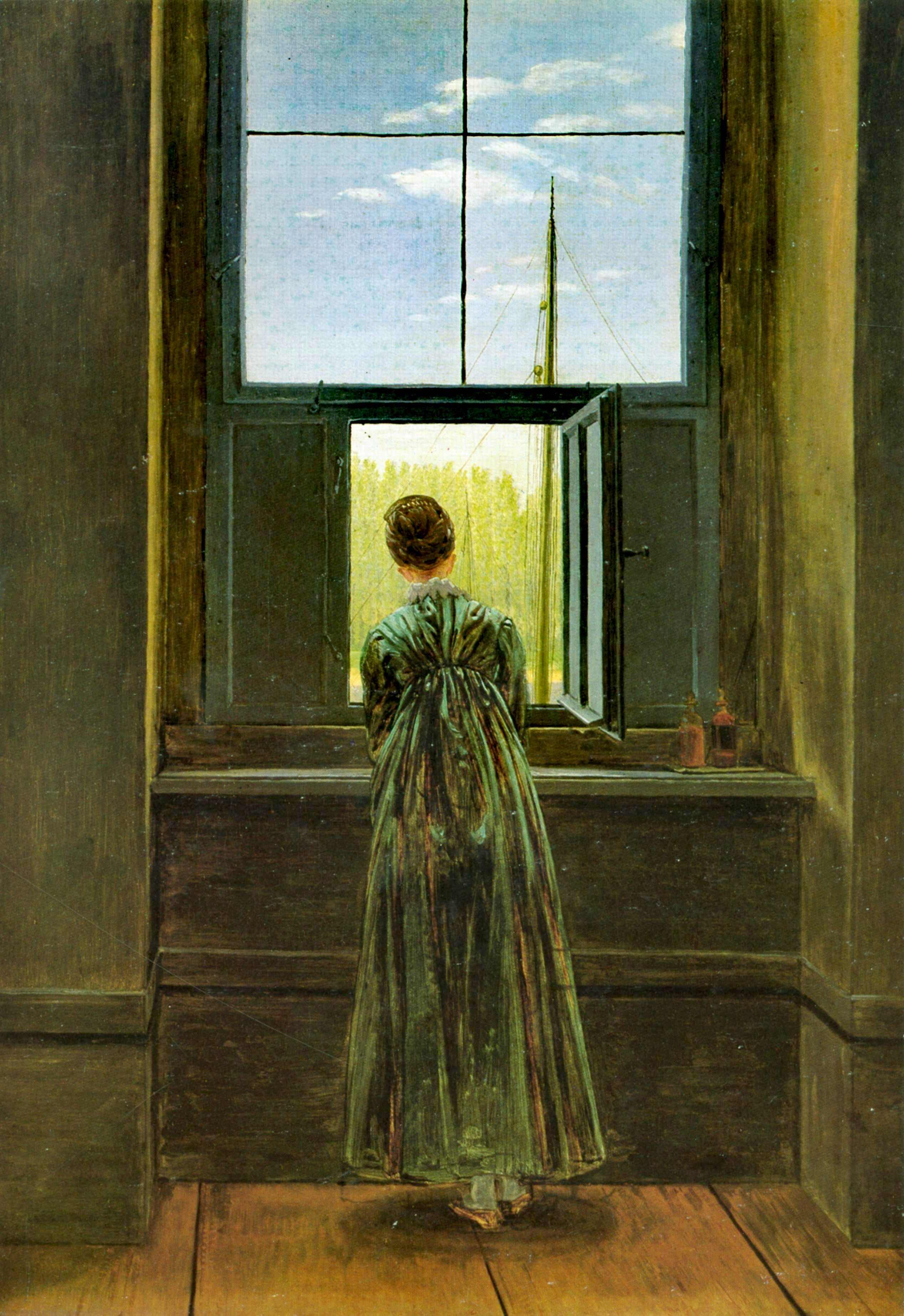
But even if these lists weren’t so formulaic, I still feel like there is something icky in the pursuit of being interesting.
2. I think trying too hard to be interesting is, paradoxically, really boring
I think that trying to be interesting is the wrong goal to pursue. If we become focused on how a book or film will add to our own interestingness, something fundamental shifts in the way we engage with these things. They become a means to an end, rather than a means to explore and enjoy the world around us. Rather than thinking about what these works can tell us about our society or human nature (or simply why we found something really fun or engaging), we think about how they will add to our public persona. I think that’s a really self-conscious lens to view things through.
To me, this is part of the wider problem of how young women in particular are primed to become obsessed with how we appear to others. I think this ‘how to be interesting' advice is another way to let us know that we’re falling short, and should keep striving for self-improvement with every ounce of our free time. But crucially, this metric of self-improvement is external. It focuses on how others perceive us, and not on our own happiness, fulfilment, or thoughtfulness.
Some of these posts go even further and explicitly discuss how not to be ‘forgettable’. I think this is quite a bleak way to view the world around us. To me, it casts a select few (who’ve followed the correct formula) as the ‘main characters’ of life. Everyone else is an NPC: an irrelevant and forgettable ‘non-playable character’ with no internal depth or originality. I don’t believe that our reading habits or education level determine how ‘memorable’ we are to the people around us. Sure, some people leave a lasting impression because of their impressive breadth of knowledge, but others stand out for being kind, funny, or having a niche interest or hobby that isn’t typically considered ‘impressive’. None of these people are interesting because they’re trying to be; they just find a way to connect to those around them.
I don’t think the most interesting people I know spend much time thinking about whether they’re interesting. They’re usually too busy being absorbed in something other than their own image. There’s a kind of ease that comes from paying attention to the world rather than monitoring how you’re coming across within it.
Maybe that’s what’s been making me uneasy about all this advice: the implied constant self-surveillance. Am I impressive enough? Am I memorable enough? Have I consumed the right things? What is this person really thinking about me right now? Am I enough? And that is an exhausting state to exist in. It turns curiosity into a means to an end.
I’m trying, instead, to become more interested rather than more interesting. To follow whatever catches my attention, even if it’s obscure or silly or unlikely to translate into good dinner conversation. To trust that a genuine interest in the world and other people is more fulfilling than any perfectly curated reading list. If that makes me less impressive, I think I can live with that.
thanks for reading. I’ll be writing a more personal companion piece for paid subscribers later this week about seeking academic validation, documenting my life on social media, and the self-consciousness of adolescence. ★
“They become a means to an end, rather than a means to explore and enjoy the world around us. Rather than thinking about what these works can tell us about our society or human nature (or simply why we found something really fun or engaging), we think about how they will add to our public persona.”
Ugh, this is such a good article, thank you for writing it! I really reel at the idea that anyone can see other human beings as “NPCs”, but somehow it seems to be such a common perspective?
Yes to this! For years, I've found myself reading those same articles. Started from magazines to blogs, to YT videos, and now, even in Substack. But recently, I had a sudden epiphany that it isn't hard to be interesting. What makes it hard is you are creating a person that you actually won't recognize in the end. Does following those list would make you feel happy every time you bring it out to conversations? If not, why bother?